
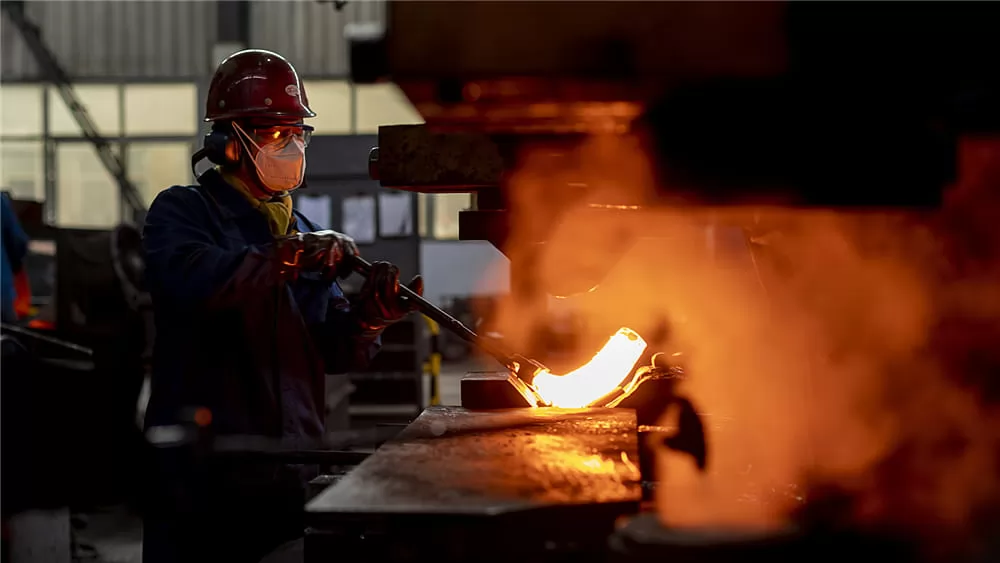
The cost of metal casting services in China can vary significantly depending on factors such as the size and complexity of the part, the type of metal or alloy used, the quantity of parts ordered, and the extent of post-casting processing required. Without knowing the specific details of your component, it is challenging to provide an exact price.
However, to give you a general idea of typical costs for Chinese casting services, here are some approximate ranges:
- Small, simple castings (basic sand castings): around $2–$6 per kilogram.
- Larger or more complex castings (investment or precision castings): can range from $8–$60 per kilogram depending on size, alloy, and tolerances.
- Tooling or mold costs: typically between $300 and $30,000, depending on complexity and required cavities.
Ultimately, your total budget will depend on the combination of part size, complexity, material choice, and production volume.
To obtain an accurate quote, it is recommended to contact a reputable metal casting supplier in China and provide them with detailed specifications, including drawings, material requirements, desired quantity, and any post-processing or surface finish needs. The supplier can then give you a comprehensive pricing breakdown, helping you determine the final cost for your project. By the end, you’ll know exactly what to expect when ordering from China.
Typical Pricing Range of Metal Casting Services in China (USD)
The price for metal casting services in China varies significantly based on the casting process, material, part complexity, batch size, tooling requirements, and additional processing. Below are general reference ranges that buyers commonly see in the global sourcing market. These figures are indicative and meant for budgeting and comparison purposes; actual quotations should be obtained from suppliers.
1. Sand Casting (Basic & Common Casting Method)
Sand casting is widely used for iron, steel, and non-ferrous castings. Pricing usually includes basic casting without advanced finishing or high precision.
| Material / Grade | Typical Price Range (USD/kg) | Notes |
|---|---|---|
| Gray Iron (HT200) | $2.5 – $3.5 | Standard sand casting, FOB China |
| Ductile Iron (QT400) | $3.0 – $4.2 | Stronger than gray iron |
| Carbon Steel | $3.8 – $5.0 | Basic structural steel castings |
| Aluminum Alloy (A356) | $4.5 – $6.0 | Non-ferrous sand casting |
These ranges are based on multiple supplier pricing data and assume standard finish and batch sizes (e.g., 500 – 2,000 units). Prices for very small batches or prototype runs are typically higher due to setup and tooling costs per unit.
2. Investment Casting (Precision / High-Tolerance Castings)
Investment casting (also known as lost-wax casting) is more labor-intensive and precise. Costs include tooling (which may be a few hundred to multiple thousands of USD per mold) plus per-piece pricing.
| Material / Process | Typical Price Range | Notes |
|---|---|---|
| Aluminum Investment Castings | $8 – $15 per kg | Small to medium parts, standard tolerance |
| Stainless Steel Investment Castings | $12 – $25 per kg | Medium precision, corrosion-resistant parts |
| High Alloy / Aerospace-Grade | $25 – $60+ per kg | High performance materials |
For complex parts with fine tolerances and surface finish requirements, prices can exceed these ranges, especially in low-volume orders. Tooling costs (mold) are often amortized over volume tiers (e.g., 100 / 300 / 1,000+ pcs).
3. Die Casting (High-Volume & High Precision)
Die casting is typically used for non-ferrous metals (e.g., aluminum, zinc, magnesium) and is more cost-effective at scale due to high automation, though tooling can be expensive.
| Material / Method | Typical Price Range (USD/kg) | Notes |
|---|---|---|
| Aluminum Die Casting (High Volume) | $2.5 – $8 | Price drops significantly at scale |
| Zinc Die Casting | $3 – $9 | Often used for smaller precision parts |
| Magnesium Die Casting | $4 – $10 | Lightweight, precision components |
Die casting prices are highly sensitive to annual quantity. Small batches (<5,000 pcs) can be 20–40% more expensive per unit than large orders (>50,000 pcs).
4. Miscellaneous / Custom and Low-Volume Services
In some verified supplier databases, you may also see one-off custom casting pricing, which can vary widely.
- Custom small castings, sand or precision: ~$1 – $6 per kg (for very small parts with simple geometry)
- Higher complexity or heavier pieces: ~$10 – $15 per kg depending on alloy and finish
- Large structural castings or ductile iron components can also range significantly based on geometry
5. Notes on Additional Costs and Variability
Tooling (molds/dies): $300 – $100,000+ depending on complexity and cavities; amortized over volume.
Post-processing (machining, heat treatment, plating): Typically adds $0.50 – $5+ per kg depending on finish requirements.
Export/FOB shipping: Quoted pricing is often FOB China; CIF or delivered costs will be higher due to freight, insurance, duties.
Batch size: Larger volumes significantly reduce unit costs due to economies of scale and tooling amortization.
Tip:
When comparing quotes, always verify whether prices include machining, surface finish, inspection reports, and packaging — as these items can materially affect total landed cost.
What Affects the Cost of Metal Casting in China?
The cost of metal casting services is influenced by multiple interconnected factors, not a simple “price per kilogram.” In global manufacturing, especially for exports from China, buyers should understand the technical, material, and production drivers that shape casting pricing. Below are the key elements that most directly determine cost variations.
Material and Alloy Type
Material cost is typically the largest single portion of casting expenses. For example, in investment casting, material may account for roughly 30%–60% of the total cost, depending on alloy type, metal prices, part weight, and material waste. High-alloy or exotic alloys like stainless or superalloys are substantially more expensive than basic carbon steel or aluminum alloys.
Selection of material also affects yield loss: some casting processes yield only 60–70% net usable metal due to sprue, risers, and machining allowances, while optimized processes can achieve closer to 90%. Higher yield reduces overall material cost per finished part.
Casting Process and Tooling Costs
The chosen casting process determines both fixed and variable cost structures. For instance, tooling for permanent or specialized molds incurs significant upfront investment, which is then amortized across the production volume. In some processes, tooling may account for 5%–10% or more of overall costs, especially for complex cores and mold assemblies.
Processes such as sand casting have relatively low tooling costs but may require more finishing and machining, while precision processes like investment casting involve higher initial tooling and labor costs but can reduce downstream machining needs.
Production Volume and Economies of Scale
Production volume directly affects per unit cost due to fixed cost distribution. Low-volume batches spread tooling and setup expenses over fewer pieces, increasing per unit cost. Conversely, large orders reduce average costs due to economies of scale. This is a consistent cost driver across casting processes.
Many Chinese foundries offer tiered pricing based on quantity, with discounts becoming more significant once minimum order quantities (MOQs) are exceeded.
Coremaking and Complexity of the Cast Part
The complexity of cores, internal features, and dimensional tolerances directly influences labor time and process requirements. Coremaking may contribute 10%–20% of total casting cost when multiple cores are required or when core geometry is complex.
Parts with tighter dimensional tolerances or thin wall sections often require more sophisticated casting controls and slower production cycles, which raise costs.
Post-Processing, Inspection, and Heat Treatment
Secondary operations such as machining, heat treating, and surface finishing add measurable cost. Machining can vary widely depending on fixture needs, material hardness, number of features, and precision requirements; some foundries charge separate CNC machining rates that significantly affect the total cost.
Inspection requirements also influence cost: simple visual inspection has minimal cost, while advanced non-destructive testing (like X-ray or ultrasonic testing) adds to both time and expense.
Logistics and Export-Related Expenses
For overseas buyers, the final landed cost must include packaging, inland transportation, freight charges, insurance, and export documentation. While these are not part of the casting process itself, they significantly impact total procurement cost and should be considered when evaluating quotes.
Cost-Saving Tips for Overseas Buyers
Overseas buyers can reduce total costs when sourcing metal casting services from China by considering not only unit price but also production efficiency, logistics, and supplier reliability. The following strategies help minimize expenses while maintaining quality and delivery performance.
1. Optimize Order Volume and Batch Size
Suppliers often provide significant discounts for larger batch sizes due to economies of scale. Consolidating multiple small orders into a single larger production run can reduce tooling and per-unit costs. Conversely, for prototype or small-volume orders, request suppliers with flexible minimum order quantities (MOQs) to avoid paying for unnecessary capacity.
2. Select the Most Appropriate Casting Method
Choosing the correct casting process can greatly impact cost. For example, sand casting is typically cheaper for larger, simple parts, whereas investment casting or die casting offers higher precision but at a higher unit price. Match the process to the required tolerances, material, and production volume to avoid overpaying for unnecessary precision.
3. Material Selection and Standardization
Material costs can vary widely. Using commonly available alloys instead of niche or high-performance materials can reduce both raw material and processing costs. Additionally, standardizing components across multiple projects or orders reduces tooling changes and improves supplier efficiency.
4. Request Transparent Cost Breakdown
Always ask for a detailed quotation that separates material costs, labor, tooling, finishing, inspection, and logistics. Understanding how each factor contributes to the final price allows buyers to negotiate and identify areas where savings can be achieved without compromising quality.
5. Leverage Local Sourcing and Shipping Strategies
Consider suppliers near major ports or industrial clusters to reduce inland transportation costs. Optimizing shipping methods—such as combining shipments or using cost-effective FOB/CIF terms—can significantly lower logistics expenses. Proper packaging can also prevent damage and avoid additional replacement costs.
6. Plan for Tooling and Reusable Molds
Tooling costs can be amortized across multiple orders if molds are reused. Discuss with suppliers about maintaining molds for future production runs, which reduces long-term unit costs. Avoid unnecessary new tooling for small design adjustments when possible.
7. Implement Quality Control Early
Preventing defects before shipment is more cost-effective than correcting them afterward. Implement in-process inspections or pre-shipment inspections to catch issues early. This approach reduces rejection rates, avoids rework, and minimizes expensive freight returns.
8. Negotiate Payment Terms and Incentives
Payment terms can affect cash flow and total cost. Negotiating partial upfront payment, bulk order discounts, or loyalty incentives with reliable suppliers can reduce the effective unit cost over time. Suppliers with transparent pricing and flexible terms are more likely to provide favorable arrangements for repeat business.
By carefully evaluating these factors and combining operational strategies, overseas buyers can achieve substantial cost savings while maintaining quality and delivery reliability when sourcing metal casting services from China.
Frequently Asked Questions (FAQ)
1. What factors determine the cost of metal casting in China?
The cost depends on several factors, including the casting method (sand, investment, die), material type and grade, part complexity, batch size, tooling and mold costs, post-processing requirements (machining, heat treatment, surface finish), quality control, and shipping or export logistics. Buyers should request detailed quotations to understand how each component contributes to the total cost.
2. How can I find a reliable and cost-effective casting supplier in China?
A reliable supplier can be identified by verifying manufacturing capabilities, quality management certifications (ISO 9001, IATF 16949, AS9100), experience with similar parts, production volume flexibility, transparent cost breakdowns, and willingness to undergo third-party inspection. Prioritize suppliers that consistently deliver quality on time.
3. Is it cheaper to order large batches versus small batches?
Yes. Larger batch sizes benefit from economies of scale, reducing per-unit costs because tooling and setup costs are distributed over more units. Small prototype runs or low-volume orders often have higher per-unit costs due to setup, labor, and mold amortization.
4. How do material choices affect casting prices?
Material selection significantly impacts cost. Common alloys such as gray iron, aluminum, or carbon steel are more affordable than specialty or high-performance alloys. Material costs also affect yield loss, machining requirements, and corrosion resistance considerations, all of which contribute to the final price.
5. Are tooling and mold costs included in the unit price?
Not always. Some suppliers include tooling and mold costs in the unit price, while others charge them separately. Tooling costs vary based on complexity, number of cavities, and durability. For repeated production runs, amortizing tooling over multiple orders reduces per-unit cost.
6. How can I reduce total landed cost when importing castings from China?
Total landed cost includes unit price, tooling, machining, quality inspection, packing, freight, insurance, and duties. Cost-saving strategies include optimizing batch sizes, selecting appropriate casting methods, using common materials, consolidating shipments, and negotiating payment terms or volume discounts.
Conclusion
Sourcing metal casting services from China can provide significant cost advantages for overseas buyers, but achieving the best value requires careful evaluation beyond unit price. By understanding the typical pricing ranges, selecting the most appropriate casting process, evaluating supplier capabilities, and applying cost-saving strategies, buyers can balance quality, reliability, and cost efficiency.
In summary, informed decision-making, rigorous supplier assessment, and proactive cost management are key to achieving successful, cost-effective metal casting procurement from China. This approach ensures not only immediate savings but also sustained reliability and product quality for future projects.
Related content recommendations:
- Why Global Automakers Seek China's Investment Casting
- Decryption: Why Are Metal Parts So Much Cheaper in China?
- Why Are China Casting Companies so Favored by Overseas Users?
- Top 10 Steel Casting Manufacturers in China by 2025
- China Metal Parts Casting Service: 2025 Procurement Guide
- Top 10 Precision Investment Casting Companies in China (2025 List)


